How to Obtain a Copyright Certificate
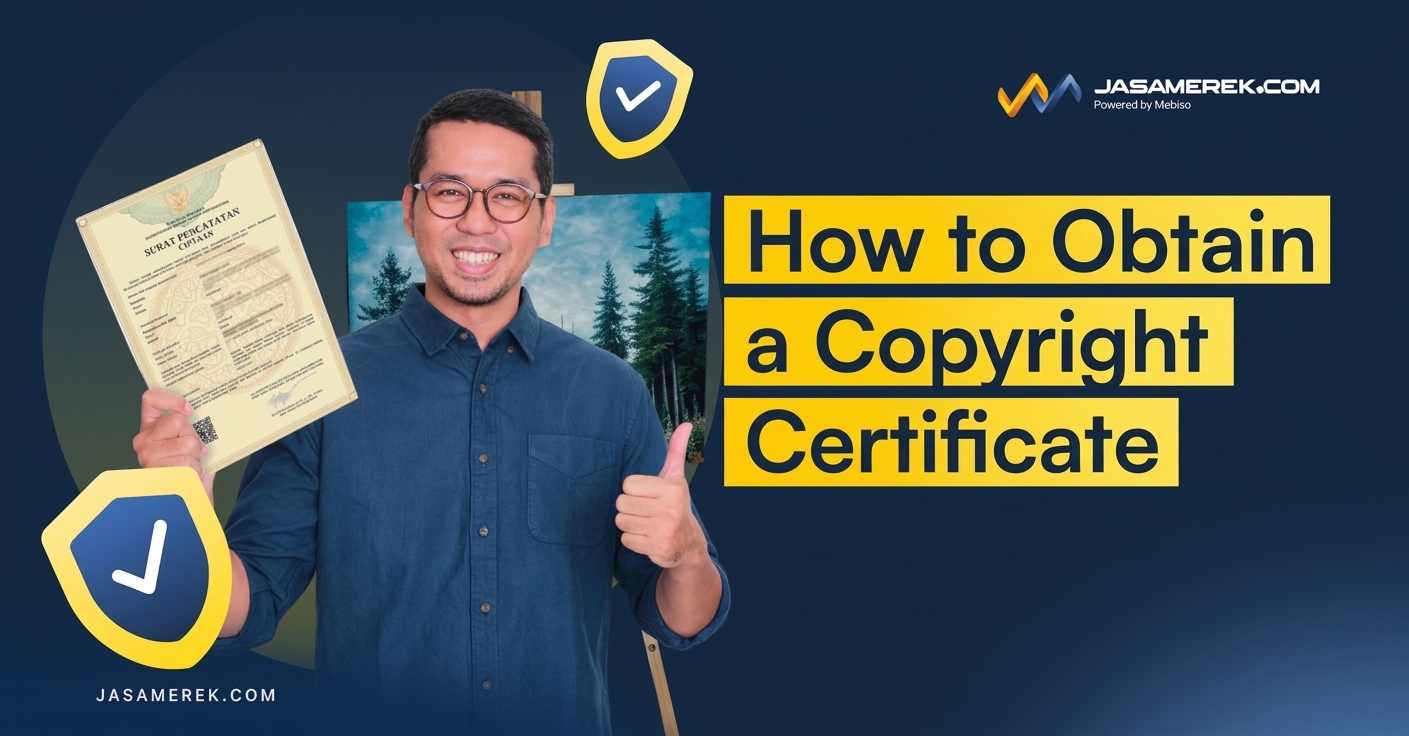
Having a copyright certificate for your creative work is an important step in protecting your creation. This certificate is not merely an optional document but can serve as important supporting evidence for creators seeking to protect their work.
Especially in today’s digital era, creative works can be easily copied and distributed. With just a simple copy-and-paste, a work can potentially be used or transferred by irresponsible parties. Therefore, an official document issued by the Directorate General of Intellectual Property, or DJKI, can serve as important evidence of copyright ownership.
However, some people may still be confused about how to obtain a certificate for their creative work. So, let’s take a closer look at the copyright certificate process, from submitting an application to obtaining the certificate.
How Important Is a Copyright Certificate?
The answer is, of course, very important. A copyright certificate is not simply an ordinary piece of paper. It serves as official documentation of the recording of a creative work and can help demonstrate ownership of a creation, idea, or creative expression.
By having this certificate, you can provide supporting evidence that you are the creator or rights holder of the work. Without such documentation, proving your rights may be more difficult if a claim, unauthorized copying, or infringement occurs.
In addition, this certificate can be useful when entering into commercial agreements or pursuing legal remedies in response to infringement. It can strengthen your position when dealing with legal matters and business partners.
Copyright Certificate Registration Procedure
Registering a work to obtain a copyright certificate is actually not as complicated as it may seem. Thanks to the digital services provided by DJKI, a process that was once considered complicated can now be completed online in a more convenient and transparent manner.
Here are the steps you need to follow, along with some practical tips to help the process run smoothly:
1. Prepare the Work and Legal Identification
Before moving on to the technical steps, make sure your work is finalized and that you have supporting evidence of its originality. Prepare documents such as the creator’s Indonesian identity card (KTP), Taxpayer Identification Number (NPWP), if applicable, and a digital file of the work to be recorded.
You should also prepare a brief and clear description of the work to help provide supporting information about its creation.
2. Create an Account and Complete the Application Form
The next step is to access the e-Hakcipta website and create an account. After successfully logging in, select the option to register a new work and complete the digital application form, including the creator’s name, type of work, and other supporting documents.
3. Pay the Official Registration Fee
After completing all the required information, you will be directed to the payment process. The applicable fee may vary depending on the applicant’s status and the type of work being registered. Payment can be made through the virtual account provided by the system.
4. Verification and Examination
Once the previous steps have been completed, DJKI will review the completeness and validity of the documents you have submitted. This process may take several working days. Make sure your email address and phone number remain active so that you can promptly receive notifications if corrections or revisions are required.
5. The Certificate Is Issued and Ready to Download
If all stages have passed the verification process, you will receive a digital copyright certificate that can be downloaded directly from your account dashboard. The document is provided in an official PDF format and includes information such as the creator’s name, title of the work, type of work, and recording date.
The certificate can serve as supporting legal evidence in various legal and business contexts.
How to Download a Copyright Certificate
Once your application has been approved by DJKI, downloading the copyright certificate is the final step. This should be done carefully to ensure that the official document is stored securely and remains accessible whenever needed.
Here is how to download your issued copyright certificate:
1. Log In to the DJKI e-Hakcipta Portal
Visit the e-Hakcipta portal and log in using the account you created when submitting your application. Make sure you have a stable internet connection to avoid errors while accessing the portal.
2. Access the Application History Menu
After entering the dashboard, click the “Application History” tab. Here, you will find a list of all works you have previously submitted. Check the application status and make sure the relevant work has been marked as “Approved” or “Certificate Issued.”
3. Select the Work and Click Download Certificate
Click on the title of the approved work. In the details section, you will find a button labeled “Download Certificate” or “Download PDF Certificate.” Click the button, and the file will be automatically saved to your device.
4. Save and Archive the Certificate Securely
The file will be provided as an official PDF containing detailed information about the work and its creator. Store the file in a secure location, either on your computer or as a physical printed copy. Make sure you keep a backup, as the certificate may be useful as supporting evidence in the event of a copyright dispute.
Example of a Copyright Certificate
A copyright certificate is an official digital or physical document issued by DJKI as evidence of the recording of a copyrighted work.
The document has a specific structure and contains several important pieces of information. A copyright certificate may include:
- Copyright recording number
- Title of the work
- Type of work
- Application date
- Issuance date
- Full name of the creator
- Name of the copyright holder if different from the creator
- QR code or digital signature from DJKI
For example, a copyright certificate for a novel may contain information about the manuscript, year of creation, the author’s full name, and the classification of the work. If the applicant is a publisher or business entity, the copyright holder’s name may identify that entity.
All of this information is organized in an official document that can be used as supporting documentation in various legal and business contexts, including licensing, contracts, and proof of rights in court proceedings.
Protect Your Copyright with Jasa Merek
A copyright certificate can serve as an important form of legal documentation for creators and owners of creative works. It can provide greater security for those who have created original works and want to reduce the risk of unauthorized copying or misuse.
In today’s digital era, official documentation of your creative work can be valuable. If you believe your work has potential, don’t wait until it is copied. Protect your work by applying for copyright registration through the Jasa Merek platform.
Register your work and obtain a copyright certificate as part of your legal protection strategy for your creative expression. The world needs more original ideas, and protecting your creative work is an important step toward preserving your rights.
FAQ
How long does a copyright license remain valid?
The duration of a copyright license generally depends on the terms of the agreement. It may be limited to a specific period, such as one to five years, or may extend for the duration of the relevant economic rights, subject to applicable copyright law.
Can a copyright certificate be used as collateral for a loan?
Generally, the certificate itself is not treated as financial collateral. It primarily serves as official documentation of the recording of a copyrighted work, while the economic rights associated with the copyright may have separate legal and financial treatment.
What if the copyright certificate is lost?
You can contact or submit a request to DJKI for information about obtaining a replacement or duplicate document. You may be required to provide supporting documents, such as a loss statement and proof of payment, depending on the applicable procedure.
How much does it cost to register a work and obtain a copyright certificate?
The cost depends on the applicable official fee and the type of applicant or work. For the most up-to-date information, check the official fee schedule provided by DJKI.
Can a copyright certificate be sold?
The certificate itself cannot be sold as an independent asset. However, the economic rights associated with copyright may be transferred or licensed through an appropriate agreement, subject to applicable law.


Tagged with:
Hak Cipta EducateRelated Articles




 Home
 Articles

 Search
 Menu