How to Get a Health Eligibility Certificate Quickly and Easily
Highlights
- A Health Eligibility Certificate (SLS) is essential for ensuring the cleanliness and safety of a business, especially those operating in the culinary sector.
- This certificate can be applied for through OSS (Online Single Submission) with a practical and transparent process.
- The latest cost of obtaining a Health Eligibility Certificate depends on the type of business and its location, as each region has its own regulations.
- If all the required documents are complete, the process can be completed within a short period. There are also many examples that can serve as references before submitting an application.
If you run a food business, whether it is a food stall, café, catering service, or restaurant, a Health Eligibility Certificate is more than just a formality. This document serves as evidence that your business premises have met applicable hygiene, sanitation, and food safety standards set by the local Health Office.
In addition to being part of business compliance, this certificate also demonstrates your responsibility toward customers. After all, customers naturally feel more comfortable eating at a place that has been officially recognized as safe and hygienic. The result? A stronger business reputation and greater customer trust.
If you already have a business license through the OSS system, the Health Eligibility Certificate can serve as an important additional requirement to support your business operations. Without this certificate, an audit or inspection by the relevant authorities may be delayed.
Functions and Benefits of a Health Eligibility Certificate
Having a Health Eligibility Certificate is not only about fulfilling legal requirements. There are also several practical benefits you can gain, including:
- Increasing customer trust. Customers can have greater confidence that the food you serve is safe and that your premises are clean.
- Making it easier to work with business partners, such as distributors, suppliers, online platforms, and government institutions. These partnerships can also support longer-term business relationships.
- Supporting the OSS licensing process so that it can run more smoothly.
- Strengthening your business image as a professional and responsible business that complies with applicable regulations.
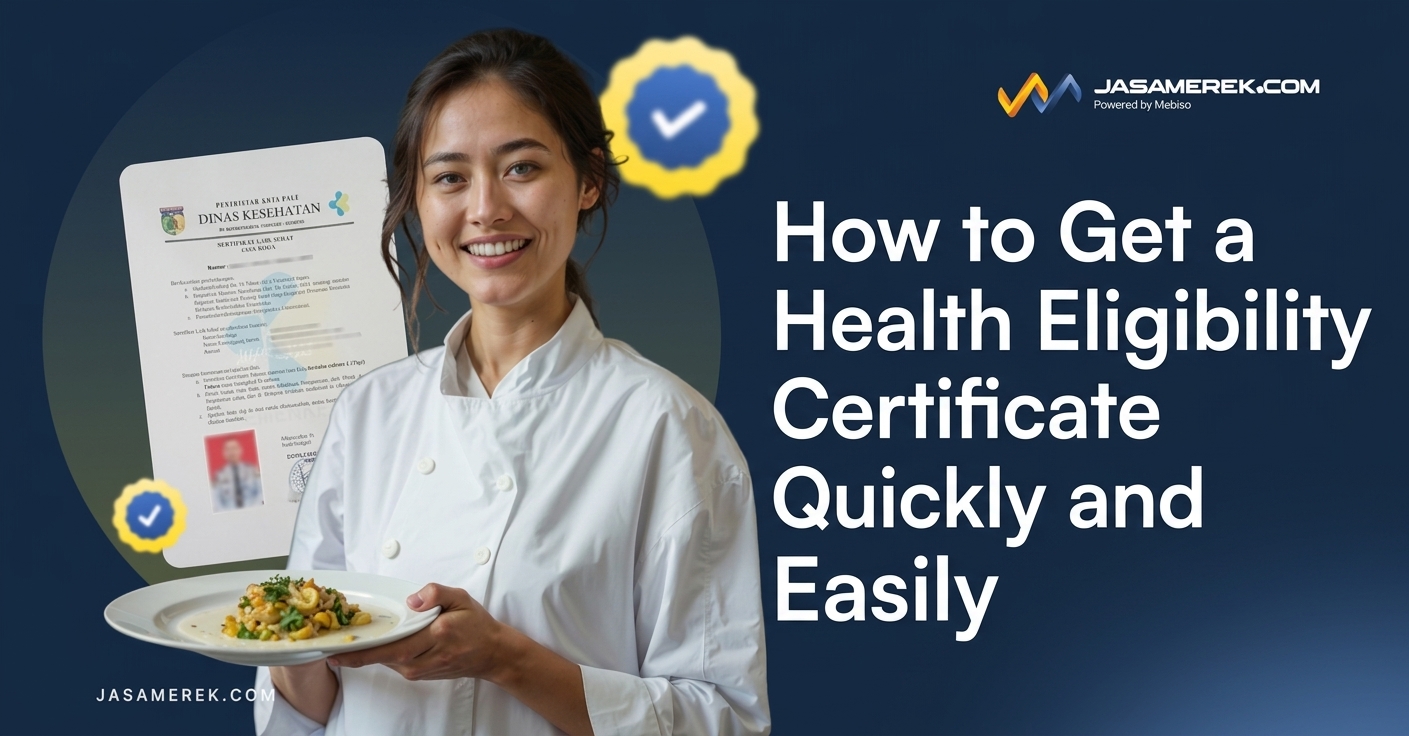
In short, this document serves as an official indication that your business has met applicable public health standards. The certificate itself is generally similar in format to other official certificates. As a reference, a Health Eligibility Certificate for a restaurant may contain information such as:
- The owner’s name and business address.
- Permit number and inspection results from the Health Office.
- Laboratory test results, such as water cleanliness, the hygiene of raw materials, or kitchen conditions.
- The validity period of the Health Eligibility Certificate.
Reviewing an example can help you understand the important information that may need to be included before applying for a Health Eligibility Certificate for your own business.
How to Apply for a Health Eligibility Certificate Through OSS
Today, applying for a Health Eligibility Certificate is much easier because the process can be completed online through the OSS system. You can monitor the application process without having to repeatedly visit the relevant government office.
Requirements You Need to Prepare
Before submitting your application, make sure you have prepared the following documents:
- A copy of your business license or Business Identification Number (NIB).
- Clean water laboratory test results.
- A floor plan or layout of the business premises.
- Health certificates or health statements for employees from a local community health center (Puskesmas).
- Proof of ownership or a lease agreement for the business premises.
These documents will be used as part of the eligibility assessment by the Health Office.
Steps to Apply for a Health Eligibility Certificate Through OSS
Once all the required documents are ready, you can submit your application. Here are the general steps:
- Open the official OSS.go.id website and log in using your business account.
- Complete your business information in the available application form.
- Upload the required supporting documents, including your business license, laboratory test results, and other documents.
- Wait for verification through the OSS system and for the field inspection to be scheduled.
- Health Office officials will conduct an on-site inspection, including checking the kitchen, cleanliness, ventilation, and water sanitation.
- If the business meets the applicable standards, the Health Eligibility Certificate will be officially issued and can be accessed digitally.
How Long Does It Take to Get a Health Eligibility Certificate?
This is one of the most common questions asked by business owners. On average, the process may take around 7–14 business days, depending on the completeness of the documents and the results of the field inspection.
If all documents are complete and your business premises already meet the applicable standards, the process may sometimes be completed sooner. Therefore, make sure everything is properly prepared from the beginning to avoid revisions or repeat inspections.
Latest Health Eligibility Certificate Application Fees
Besides processing time, the cost of obtaining a Health Eligibility Certificate is another common concern among business owners. The applicable fee can depend on the type of business and the region. Each local government may have its own policies based on the scale of the business and the facilities being inspected.
For example, some regions may not charge a fee for issuing a Health Eligibility Certificate, while others may charge fees ranging from hundreds of thousands to several million rupiah. The amount depends on the policies applicable in each region.
Make sure to check directly with your local Health Office to find out the exact applicable fee and avoid inaccurate budgeting.
Tips for a Smooth Health Eligibility Certificate Application
Applying for a Health Eligibility Certificate is generally manageable as long as you understand the process and prepare the required documents properly. Here are some tips to help ensure a smooth application:
1. Prepare All Documents from the Beginning
Delays often occur because documents are missing or do not meet the required format. Before uploading them to OSS, double-check every file, including water laboratory test results and employee health documentation.
2. Maintain Clean Facilities Every Day
Inspection officers may conduct an inspection according to the scheduled assessment. Make sure the kitchen, food storage areas, and dining areas remain clean at all times, rather than only when you are applying for the certificate.
3. Consider Using a Professional Consultant
If you do not have much time to handle the process yourself, you can consider using a professional Health Eligibility Certificate service. They can help prepare the required documents, coordinate inspection schedules, and make sure your business meets the applicable OSS requirements.
FAQ
1. Are all types of businesses required to have a Health Eligibility Certificate?
It depends on the type of business and the applicable regulations. Businesses operating in food and beverage services may be subject to specific health and sanitation requirements. Without the required certification, a business may face difficulties in fulfilling its operational licensing requirements.
2. How long is the certificate valid, and how can it be renewed?
The validity period depends on the applicable regulations and local requirements. If renewal is required, you should undergo the necessary reassessment and submit the renewal application to the relevant Health Office before the certificate expires.
3. Can the entire application process be completed online?
Some parts of the process can be completed online through the OSS system, including document submission and application status monitoring. However, a field inspection may still be required depending on the type of business and applicable requirements.
4. What if the inspection results do not meet the requirements?
You can make improvements based on the inspection officer’s recommendations and then request a follow-up inspection or reassessment in accordance with the applicable procedure.
5. How much does it cost to obtain a Health Eligibility Certificate?
The cost depends on the type and scale of your business as well as the applicable local regulations. Larger businesses may have more facilities and aspects that need to be assessed.
Already Have a Business? Don’t Forget to Register Your Trademark!
Obtaining a Health Eligibility Certificate is not necessarily difficult as long as you understand the procedure and properly prepare all the required documents. Through the OSS system, parts of the process can be completed online, making it easier to monitor your application.
In addition, your business should also be protected against unauthorized use of its brand through Trademark Registration. If you own original creative assets, you can also protect them through Copyright Registration. Protect your brand, protect your creative assets, and keep your business running with greater peace of mind.


Tagged with:
JM AwareRelated Articles


 Home
 Articles

 Search
 Menu