Fair Use in Indonesia: How to Use Content Without Getting a Copyright Claim
Highlights
- Fair use in Indonesia helps businesses assess whether using third-party content is permitted.
- Permitted uses of copyrighted content may include education, reviews, news reporting, and reaction content with meaningful original contributions.
- The risk and legality of using copyrighted content can depend on factors such as commercial purpose, the amount used, and the impact on the copyright owner.
- Digital platforms, especially social media, have different copyright policies and content-claim systems.
- Copyright protection is an important step in helping businesses safeguard their original content from unauthorized use and claims.
Why Is Fair Use in Indonesia Important?
In today’s digital business world, using content created by other people has become increasingly common.
Images, videos, and audio are often used for marketing, educational purposes, or to attract audience attention.
This is where the concept of fair use in Indonesia, or permitted use of copyrighted content under certain circumstances, becomes important. Understanding these rules can help businesses reduce the risk of copyright disputes.
This is particularly important when content is used for commercial purposes.
Many business owners assume that using only part of someone else’s content is automatically safe.
However, copyright law does not simply consider how much of the original work was used. The purpose of the use and its potential impact on the copyright owner’s rights and economic interests may also be relevant.
Rules Related to Fair Use in Indonesia
To understand how fair use works in Indonesia, it is important to look at the legal principles and copyright exceptions that provide the basis for certain types of use.
Here are some key elements to understand:
- Copyright Exceptions: Indonesian copyright law provides limited exceptions that allow certain uses of copyrighted works without prior permission from the copyright owner.
- Educational Use: Certain uses of copyrighted materials for educational purposes may be permitted under applicable conditions, particularly when the use does not unfairly harm the copyright owner’s economic interests.
- Limited Quotations: Quoting a limited portion of a copyrighted work may be permitted in certain circumstances. The amount and purpose of the quotation can be important considerations.
- Transformative Content: Adding new meaning, analysis, commentary, or creative elements may distinguish your content from a simple reproduction. However, modifying someone else’s work does not automatically make the use lawful.
- Purpose of Use: Content used for commercial purposes may carry greater copyright risk than certain informational or educational uses, depending on the circumstances.
What Does Fair Use in Indonesia Apply To?
To avoid common misconceptions, it is important to understand that there is no universal rule stating that a particular type or percentage of content is automatically considered fair use in Indonesia.
Whether a particular use is permitted depends on the circumstances and the applicable copyright exceptions.
Here are several situations commonly associated with permitted or potentially permissible uses:
1. Educational Content with Original Analysis
Using another person’s work in an educational context may be permitted under certain conditions, particularly when the content is not simply copied.
Adding explanations, interpretations, analysis, or a new perspective can provide additional value and context.
2. Product Reviews with Critical Commentary
When reviewing a product, portions of images, videos, or audio may sometimes be used to support your evaluation or criticism.
However, the main focus should remain on your own review, analysis, or user experience. If the original material becomes the dominant part of the content, the risk of copyright infringement may increase.
3. News Reporting with Informational Context
News organizations and information-based businesses may use excerpts from copyrighted content to provide context or explain a news event.
Such use should serve a legitimate informational or reporting purpose and comply with applicable copyright exceptions rather than simply exploiting the original work for commercial gain.
4. Reaction Content with Meaningful Transformation
Reaction content is widely used to attract audiences on social media. Its value should come from the creator’s commentary, criticism, analysis, or interpretation.
Simply replaying someone else’s content without adding meaningful original contributions may increase the risk of copyright infringement.
5. Limited Quotations
Using a small portion of another person’s work may be permitted in certain circumstances, particularly when the quotation supports commentary, criticism, research, or another legally recognized purpose.
The quotation should serve as supporting material rather than become the main attraction of the content.
Fair Use and Copyright Rules Across Social Media Platforms
In practice, each social media platform has its own approach to identifying and handling copyrighted content.
This means that you cannot assume that content permitted on one platform will automatically be permitted on another.
Here are some key points to understand:
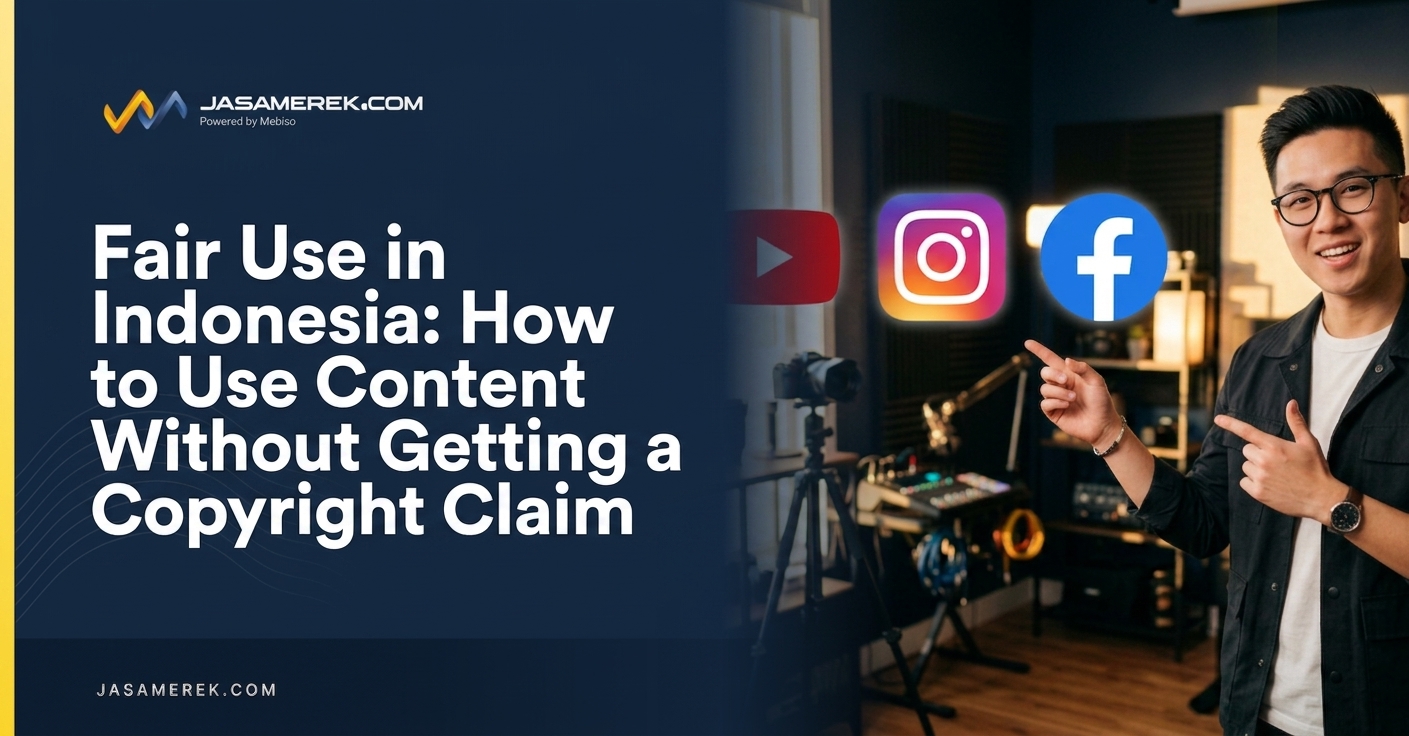
1. YouTube
YouTube uses technologies such as Content ID to detect potential matches involving copyrighted audio and video.
As a result, content containing copyrighted material may receive a claim through an automated system, even before the matter is manually reviewed.
2. Instagram
Instagram provides mechanisms for copyright owners to report content that they believe infringes their rights.
Reusing photos or videos without permission can put your content at risk of removal, even if only part of the original work is used. Giving credit alone does not automatically provide permission to use copyrighted material.
3. TikTok
TikTok offers extensive opportunities for creative content, but copyright rules still apply.
Using copyrighted audio without the appropriate rights or license may result in restrictions or removal. Reuploading viral videos without permission can also create copyright risks.
4. Facebook
Facebook uses automated detection systems and also allows copyright owners to report potential infringement.
Content identified as potentially infringing may have its distribution restricted or may be removed. For businesses, this can also affect advertising performance and audience engagement.
5. X (Formerly Twitter)
The fast-paced nature of X allows content to spread quickly, but copyrighted material can also be reported quickly.
Using copyrighted images, videos, or written content without permission may result in copyright claims, takedown requests, or other enforcement measures.
Safe Strategies for Using Other People’s Content
To keep your digital business activities running smoothly and reduce the risk of copyright claims, you should develop a careful strategy when using third-party content.
Here are several approaches you can consider:
1. Prioritize Original Content as Your Main Asset
Original content provides the greatest level of control because your business owns or controls the rights to the material you create.
In addition to reducing potential copyright conflicts, original content can strengthen your brand identity and make your business more distinctive.
2. Make Meaningful Changes to the Content
If you use material created by someone else, consider adding substantial original commentary, analysis, criticism, or other creative contributions.
However, simply editing, cropping, adding filters, or making minor changes to a copyrighted work does not automatically give you the legal right to use it.
3. Use Properly Licensed Content
Using content from reputable stock libraries or other licensed sources is an effective way to reduce copyright risks.
Although free resources are available, paid licenses may provide clearer usage rights and broader commercial permissions, depending on the specific license terms.
4. Add Value to Every Publication
Content that simply reproduces someone else’s work without meaningful original contribution carries a greater risk of infringement.
By contrast, content that provides original analysis, opinions, commentary, or storytelling can offer greater value to the audience and may qualify for a relevant copyright exception depending on the circumstances.
5. Protect the Copyright in Your Own Content
Protecting the creative works produced by your business is an important preventive measure that is often overlooked.
Registering copyright where appropriate can strengthen your legal position when dealing with unauthorized use of your original content and can provide supporting evidence of your rights.
FAQ
Can I still face legal action after copyrighted content has been removed?
Yes. Removing the content does not necessarily eliminate liability for an earlier unauthorized use. Digital records may also remain as evidence of how and when the content was used.
Does giving credit automatically make copyrighted content safe to use?
No. Giving credit does not automatically replace permission from the copyright owner or a valid copyright exception, especially when the content is used for commercial purposes.
Can I freely use foreign content in Indonesia?
No. Content created outside Indonesia may still receive copyright protection in Indonesia under applicable national and international rules. You should not assume that foreign content is free to use simply because it was created in another country.
Protect Your Copyrighted Content and Give Your Business Peace of Mind
Copyright rules can be complex, especially when digital content is shared across different platforms and countries.
Protecting your original work can provide your business with a stronger legal foundation and help you respond if your content is used without authorization.
Jasa Merek can be a practical solution for businesses that want professional assistance with copyright registration without having to navigate the process alone. Through trademark registration service, you can receive professional assistance throughout the registration process.
This allows you to focus on growing your business while taking proactive steps to protect the creative assets behind your brand.
Use Jasa Merek as your trusted partner to protect your valuable creative works and reduce the risk of unauthorized use and plagiarism.


Tagged with:
Hak Cipta AwareRelated Articles


 Home
Home
 Articles

 Search
 Menu
Menu